Honeycomb Line: A Designer's Review for Personalized Gifts
As an experienced embroidery designer, I spend a lot of time testing digital files before they ever reach a customer. Recently, I decided to put the Honeycomb Line design through its paces. My goal was to determine if this pattern would be a viable addition to my personal gift shop inventory. The product description calls it a "perfect digital embroidery" for those who like simple and stylish designs, noting that it encourages creative energy. After running several test stitches on various fabrics, I can confirm that Honeycomb Line is indeed a versatile piece with significant potential for handmade sellers.
The First Impression: Mood and Charm
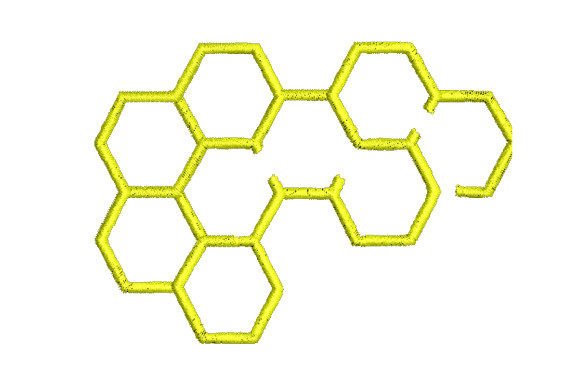
When I first loaded the file into my digitizing software, the immediate feeling was one of clean, modern elegance. Unlike many busy patterns that clutter a small space, Honeycomb Line offers a structured yet organic look. It strikes a perfect balance between playful and sophisticated. For anyone looking to create a personalized gift that feels special without being overwhelming, this design hits the mark. It possesses a quiet charm that suggests quality and care, which are essential traits for any successful handmade product.
The geometric nature of the honeycomb shape provides a sense of stability and growth, making it emotionally appealing for recipients. It feels warm and inviting, suitable for a nursery item or a cherished wedding keepsake. The simplicity allows the texture of the thread and the fabric to shine, ensuring the final result looks expensive and well-crafted. Whether you are an Etsy seller looking to refresh your listings or a craft fair vendor wanting to attract serious buyers, this design offers a professional aesthetic that elevates the perceived value of your work.
Versatility in Real-World Applications
The true test of any embroidery file is how it performs across different products. I tested Honeycomb Line on a variety of items commonly requested by customers. On a white kitchen towel, the design looked crisp and clean, perfect for a housewarming present. The lines held their shape beautifully, creating a delightful accent that didn't compete with the text often added alongside it.
I also explored using this pattern for baby-related projects. When stitched onto a soft cotton blanket, the honeycomb structure provided a subtle texture that felt gentle against skin. It works exceptionally well as baby embroidery, offering a gender-neutral option that parents love. For a wedding gift, placing the design on a pillow cover or a set of napkins adds a touch of romance and unity. The geometric pattern symbolizes community and hard work, making it a meaningful choice for a wedding gift.
For the more adventurous crafter, I found that Honeycomb Line translates well to tote bags and aprons. The sturdy nature of the design ensures it remains visible even after heavy use. As a digital embroidery file, it serves as an excellent base for custom orders where clients might want initials or dates added nearby. This flexibility makes it a cornerstone for any small shop product line focused on customization.
Who Is the Ideal Customer?
This design appeals to a specific type of buyer. They are likely individuals who appreciate minimalism but still want something unique. They are the types of people who buy gifts for new mothers, celebrate weddings, or decorate nurseries with intention. Because the design is stylish yet simple, it attracts customers who are willing to pay a premium for commercial embroidery that looks bespoke. It builds trust because the finished product appears intentional and high-quality.
Strategic Considerations and Limitations
While Honeycomb Line is impressive, every designer knows that placement matters immensely. There are specific scenarios where caution is required. If you plan to use this design on dark fabric, you must carefully select your thread colors. A light-colored honeycomb on black might get lost unless you use a dense underlay or a contrasting outline.
I advise against using this design on stretchy baby clothes or curved surfaces like fitted hats. The rigid geometric lines may distort when stretched, ruining the symmetry that makes the design so attractive. Similarly, on very thick towels or heavily textured fabrics, the fine details of the honeycomb might not penetrate the pile effectively. In these cases, the design could appear flat or muddy.
Another critical factor is the size of the design relative to the product. If you attempt to embroider this on a small patch or a tiny tag, the detail level might become indistinguishable. Always ensure the hoop size accommodates the design comfortably. If you are selling custom embroidery, be sure to show clients mockups on the actual fabric they choose to manage expectations regarding fabric texture and washability.
Practical Embroidery Notes for Success
To achieve the best results with Honeycomb Line, preparation is key. Before committing to a final order, always test on scrap fabric. This step helps you gauge the stitch density and ensure the design doesn't pucker the material. Pay close attention to the stabilizer you use; a cut-away stabilizer is often necessary for maintaining the structure of geometric shapes over time.
When setting up your machine, review the thread color contrast thoroughly. Sometimes a color that looks good on a screen behaves differently under the needle. Check small details after stitching to ensure no gaps exist in the honeycomb cells. If you are producing these items for sale, remember to confirm commercial licensing terms before selling finished products. This protects both you and your business from legal issues.
Creating a printable mockup can also help visualize the final outcome. By comparing light and dark fabric options side-by-side, you can guide your customers toward choices that make the design pop. This attention to detail enhances product photography, which is crucial for engaging buyers online.
Final Thoughts on Giftability
In conclusion, Honeycomb Line is a standout choice for creators looking to expand their offerings. Its ability to convey creativity and style makes it a powerful tool for building emotional connections with customers. Whether you are crafting a blanket embroidery project for a newborn or designing a pillow cover for a newlywed couple, this design delivers on its promise of simplicity and elegance.
By following proper testing protocols and understanding the limitations of the medium, you can turn this machine embroidery design into a best-selling item. It represents the kind of thoughtful craftsmanship that defines the best handmade products today. For anyone in the business of gifting, Honeycomb Line is a design worth adding to your repertoire.