Butterfly Blanket Stitch: A Designer's Real-World Review
When I first opened the folder for Butterfly Blanket Stitch, my initial reaction wasn't about the technical specs or the file formats. It was about the mood. There is something inherently nostalgic and welcoming about a butterfly motif executed with a blanket stitch outline. In the world of machine embroidery, where so many designs lean towards hyper-realistic satin fills or complex pixelated textures, this design feels grounded and tactile. It screams "handmade" even when stitched by a computer, which is a rare and valuable quality in today's digital marketplace.
As someone who reviews embroidery assets for both personal use and commercial client work, I look for designs that offer versatility without sacrificing character. This particular entry in the Bugs category fits perfectly into that sweet spot. The description promises it can be used in quilts as a nice gift, but I wanted to dig deeper. How does it translate to a custom tote bag? Would it hold up on a sweatshirt? Could it serve as a charming accent on a baby onesie? Let's walk through how this design performs when moved from the screen to the hoop.
The First Impression: Mood and Visual Personality
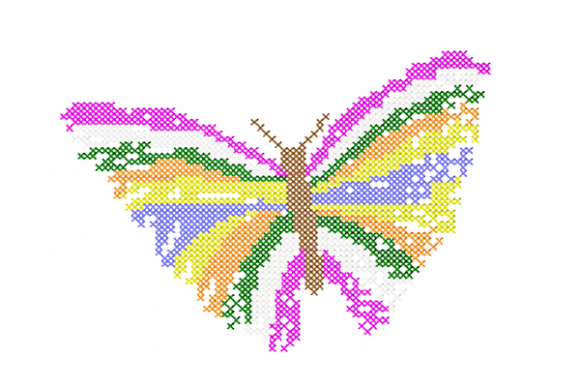
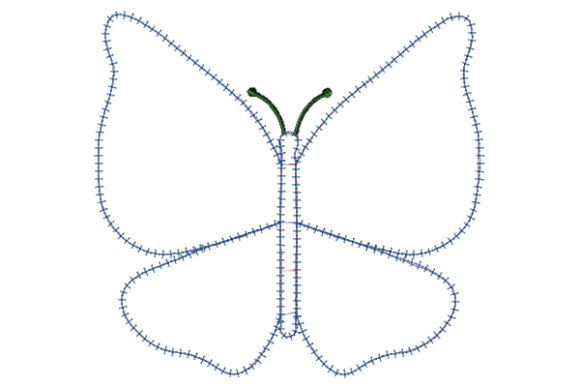
The visual personality of Butterfly Blanket Stitch is defined by its texture. Unlike a standard fill stitch that creates a smooth, shiny surface, the blanket stitch technique introduces a jagged, rope-like edge around the wings. This creates immediate depth and gives the illusion of fabric appliqué, even if you are stitching directly onto the base material. For a designer, this means the design doesn't just sit on top of the fabric; it interacts with it.
The layout is clean and open. There is no cluttered background or excessive filler that might overwhelm a small garment. This simplicity is what makes it so adaptable. Whether you are creating a minimalist logo for a boutique or a whimsical detail on a nursery pillow, the design has enough breathing room to let the thread colors do the talking. It feels friendly and approachable, which is exactly what you want when targeting markets like handmade gifts, holiday decor, or children's apparel.
Real-World Application: From Tote Bags to Nursery Decor
I recently tested this design concept on a few different substrates to see how it holds up in a real production environment. The first project was a canvas tote bag intended for an Etsy listing. I chose a natural-colored canvas and used a high-contrast thread for the butterfly body and wings. The result was striking. The blanket stitch edges caught the light differently than the surrounding canvas, giving the product a premium, artisanal feel that customers often associate with higher price points.
However, the true test of any design is its range. I also considered using Butterfly Blanket Stitch for a set of personalized baby bibs. On soft cotton jersey, the design worked beautifully because the slightly raised texture of the blanket stitch provides a gentle tactile element that parents love. It adds a layer of sophistication to what could otherwise be a very basic item. The design isn't too heavy, so it won't make the fabric bunch up, which is crucial for baby clothes where comfort is paramount.
For those looking at commercial embroidery projects, such as aprons or kitchen towels, this design offers a rustic charm. Imagine a white tea towel with a single, colorful butterfly stitched near the hem. It transforms a utilitarian item into a decorative piece suitable for gifting. The versatility extends to holiday embroidery as well; a butterfly can symbolize rebirth in spring or simply add a touch of nature to a fall-themed quilt block. It is a design asset that feels timeless rather than trendy.
Where to Exercise Caution: Fabric and Hoop Limitations
While the design is versatile, a professional designer knows that every stitch has its limits. One area where Butterfly Blanket Stitch requires careful consideration is on stretchy fabrics. If you attempt to embroider this on a thin, highly elastic t-shirt without proper stabilization, the tension of the blanket stitch can cause the fabric to pucker significantly. The zigzag nature of the stitch pulls the material inward, and if the fabric stretches back out after removal from the hoop, the design may look distorted.
Another critical factor is the hoop size. Because the blanket stitch relies on visible gaps between stitches to create its signature look, trying to scale this down to fit inside a tiny 4x4 hoop might result in a loss of definition. The individual "stitches" of the blanket edge might become too crowded, blurring the shape of the butterfly wings. Always check your hoop size requirements before committing to a small patch or a cap front. Curved surfaces like caps present another challenge; the angle of the needle and the tension required for a blanket stitch can sometimes struggle on the tight curve of a hat brim, potentially leading to skipped stitches or uneven spacing.
Dense stitch areas are also worth noting. While the design itself is not overly dense, the visual weight of the blanket stitch can make the design appear heavier than it actually is. If you are working with dark fabric, ensure your thread choice provides enough contrast. A subtle gray butterfly on a navy shirt will get lost, defeating the purpose of the detailed outline. Conversely, on very textured fabrics like chunky knits or rough burlap, the fine details of the wings might get swallowed by the weave of the cloth.
Practical Designer Notes for Success
If you are planning to use this design for a finished product or a commercial project, there are a few non-negotiable steps to ensure quality. First and foremost, always test the design on scrap fabric that matches your final substrate. This allows you to gauge the stitch density and see how the stabilizer interacts with the specific thread colors you plan to use. Don't assume that a setting that works on woven cotton will work on denim or fleece.
Stabilizer selection is equally important. For a design with a distinct outline like this, a cut-away stabilizer is often the safest bet for durability, especially for items that will undergo frequent washing, like aprons or baby clothes. If you are using a tear-away, make sure it is sturdy enough to support the tension of the blanket stitch during the process. Also, review the stitch density settings in your software. If the density is too high, the fabric will become stiff; if it is too low, the design may lack structure.
Before adding this to your inventory or selling it as part of a digital package, confirm the licensing terms. Many designers sell the right to use the design for personal gifts but restrict commercial resale unless a specific license is purchased. Understanding these boundaries protects your business and ensures you are respecting the creator's rights. Additionally, inspect the small details of the wings in your mockups. Sometimes, when converting a design file, intricate corners can get smoothed out or lost entirely.
Final Thoughts on Value and Presentation
In the end, Butterfly Blanket Stitch is more than just a pattern; it is a tool for storytelling. It tells a story of care, attention to detail, and a love for nature. For the craft business owner or the Etsy seller, this design offers a way to elevate their brand consistency. When a customer sees a cohesive collection of items featuring this thoughtful design, they perceive a level of professionalism that builds trust.
The design strikes a balance between being simple enough for a beginner to execute successfully and detailed enough to satisfy an experienced decorator. Whether you are making a quick gift for a friend or building a line of boutique products, this embroidery file delivers on its promise. It brings a soft, organic feel to modern machine embroidery, proving that sometimes the most beautiful designs are the ones that remind us of the hand-stitched tradition we all cherish.