Sloth Embroidery Design Review for Gift Makers
As an experienced embroidery designer who spends countless hours testing new patterns before adding them to my shop, I recently put the Sloth design through its paces. My goal was simple: determine if this machine embroidery design is ready for real customer orders in a personalized gift shop. The product description promises a smiling sloth that adds bright and cheery decoration to items like towels, shirts, or blankets, and it comes with multiple embroidery file formats. But does it actually work as a finished product? After running several tests on various fabrics, I am ready to share my honest review.
First Impressions of the Sloth Design
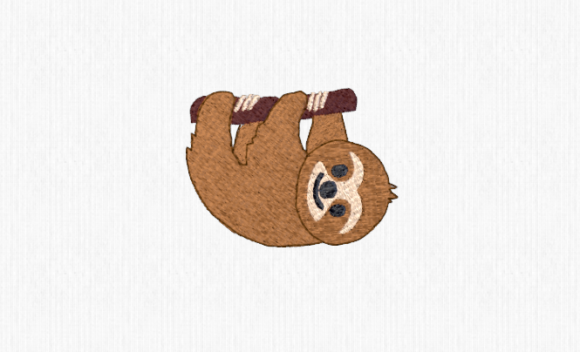
The moment I loaded the embroidery file into my hoop, the charm of Sloth became immediately apparent. It is not just a graphic; it feels warm, playful, and incredibly sweet. The smile on the sloth's face carries a genuine emotional appeal that resonates with anyone looking for a handmade product with heart. Unlike some modern designs that feel cold or overly complex, this pattern strikes a perfect balance between classic simplicity and contemporary cuteness.
For a designer planning custom orders, the mood is everything. This design screams "personalized gift." It has a relaxed vibe that fits perfectly with nursery decor, baby products, and casual home goods. Whether you are creating a wedding keepsake or a craft fair item, the Sloth design brings a sense of joy and comfort that customers love to see in their homes. It feels like something a grandmother would stitch by hand, even though it is produced by a machine.
Perfect Applications for Your Shop
I tested this design across a wide range of potential products to see where it shines. The versatility is impressive. For baby embroidery projects, the soft look of the smiling sloth works beautifully on a blanket embroidery project. Imagine a mother receiving a plush blanket with this cheerful face stitched near the corner; the perceived value of the item skyrockets because of the emotional connection.
It is also an excellent choice for kitchen items. An embroidered towel featuring this character can become a staple in a home cook's collection. The design is large enough to be seen clearly but small enough to fit neatly on a standard dish towel. Similarly, for wedding gifts, placing the Sloth on a pillow cover or a set of aprons creates a unique keepsake for a couple who loves animals or nature.
If you are an Etsy seller or a small business owner, this design offers great opportunities for digital product sellers as well. You can create printable mockups showing the design on tote bags, shirts, and more. Customers browsing your shop will immediately understand the vibe of your brand. Whether you are selling finished physical goods or offering custom embroidery services, the Sloth design acts as a reliable anchor for your product line. It appeals to families, animal lovers, and anyone looking for a touch of whimsy in their daily life.
Building Trust and Value
One of the most critical aspects of selling handmade products is building customer trust. When a buyer sees a high-quality finished product like the Sloth design, they perceive the entire shop as professional and caring. The detail level here suggests that you care about the quality of your output. A well-executed embroidery file leads to happy reviews and repeat customers. The design helps bridge the gap between a generic store item and a special, meaningful present.
For custom order previews, this design is a crowd-pleaser. It is easy to visualize on different backgrounds, making it simpler to sell the concept to clients before you even start stitching. The friendly nature of the sloth makes it a safe bet for almost any demographic, from toddlers to grandparents.
Critical Considerations and Limitations
While the Sloth design is charming, every professional knows that context matters. There are specific scenarios where this design requires careful handling. First, consider the fabric texture. Thick towels or heavily textured fabrics can sometimes obscure the finer details of the smile or the fur texture. If the fabric is too bulky, the stitches may not lay flat, ruining the clean look of the embroidery.
Stretchy baby clothes are another area to watch. While the design is cute, stretching the fabric after embroidery can distort the shape of the sloth. Always test on a scrap piece of the exact material you plan to use. Dark fabric presents another challenge; unless you use high-contrast thread colors, the details might get lost in the background. If you are working with dark materials, ensure your thread selection pops against the fabric.
Small lettering often accompanies designs like this, but if the original file includes tiny text, be cautious. Delicate details can break down on curved surfaces or when the fabric moves frequently. Products that need frequent washing, such as everyday shirts or kitchen cloths, require durable stitching. If the stitch density is too low, the design might pill or fade quickly. Always check the stability of the design before putting it on a product that will see heavy use.
Practical Embroidery Notes for Success
To ensure your commercial embroidery projects succeed, follow these practical steps based on my testing experience. Start by always testing on scrap fabric. This is non-negotiable. It allows you to check thread color contrast and confirm that the hoop size you selected is appropriate for the design dimensions.
Review the stitch density carefully. If the design feels too dense, it might cause puckering on lightweight fabrics. Conversely, if it is too sparse, it might lack definition. Use proper stabilizer to support the fabric during the stitching process. This is especially important for items like pillow covers or tote bags where the fabric needs to hold its shape over time.
Compare light and dark fabric mockups to see how the design translates visually. Sometimes a color combination looks perfect on a screen but fails in reality. Check small details after stitching to ensure there are no loose threads or gaps. Finally, confirm commercial licensing before selling finished products. Even though this is listed under Freebies, many designers have specific terms regarding how you can use the embroidery file for resale. Ensure you have the right permissions to sell items made with the Sloth design.
Final Thoughts on Using Sloth
The Sloth design is a wonderful addition to any collection of machine embroidery design files. It captures a spirit of relaxation and happiness that is rare to find. By understanding its strengths and limitations, you can create amazing handmade product lines that customers will cherish. Whether you are designing for a baby shower, a wedding, or simply expanding your Etsy listings, this smiling companion is ready to bring joy to your creations.
Remember, the key to success lies in preparation. Test your fabrics, choose your threads wisely, and respect the limits of the machine. With the right approach, the Sloth design can transform a simple piece of cloth into a treasured family heirloom. Happy stitching!