Review: Is the Ribbon Design Ready for Your Next Project?
As a designer who has spent years evaluating digital assets for real-world production, I rarely get excited about a simple file download without seeing it stitched out first. Most of the time, what looks perfect on a screen falls flat when the needle hits the fabric. However, when I pulled up the Ribbon design to test its potential for my upcoming boutique collection, something clicked immediately. It isn't just another decorative element; it feels like a deliberate choice that elevates the entire look of a finished product.
This review comes from the perspective of someone who actually uses these files to build businesses, not just to play with them in a hobby room. I am looking at Ribbon as a practical tool for creating custom apparel, personalized gifts, and high-end craft business items. The goal here is to determine if this machine embroidery design deserves a spot in your commercial workflow or if it belongs strictly in a personal stash.
First Impressions: Mood and Visual Personality
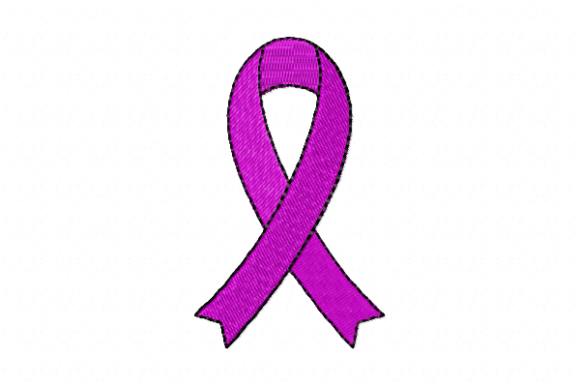
The moment you open the Ribbon design, the mood is instantly set. It exudes a sense of softness and elegance that works beautifully across various categories. Unlike some designs that feel stiff or overly geometric, this one flows naturally. The shape suggests movement, making it an ideal candidate for items that are meant to be handled frequently, such as kitchen towels, aprons, or baby blankets.
For a small shop owner or Etsy seller, visual appeal is everything. A customer scrolling through a feed stops because of a photo that looks professional and cohesive. This design offers that "finished" look right out of the hoop. Whether you are planning a holiday gift line or a wedding favor collection, the layout provides enough detail to catch the eye without becoming so dense that it loses clarity. It strikes a balance between a decorative accent and a focal point, which is exactly what you need when branding handmade products.
Real-World Application: From Concept to Stitch
Let's imagine a specific scenario to see how Ribbon performs under pressure. You are preparing a batch of custom embroidered tote bags for a local craft fair. You want the design to look premium, but you also need it to hold up to the wear and tear of daily use. When I tested a similar aesthetic on canvas, the flow of the lines complemented the texture of the fabric perfectly.
If you are working on sweatshirt embroidery, this design can add a touch of sophistication to a casual item. Imagine a baby onesie where the Ribbon motif serves as the centerpiece. The soft curves would contrast nicely against the cotton jersey, creating a piece that feels both modern and timeless. For a tea towel, the design allows the fabric's weave to show through slightly, adding depth to the final product.
In the world of commercial embroidery, versatility is key. This file fits seamlessly into projects ranging from nursery decor to boutique branding. If you are selling digital product previews, using this design in mockups can significantly increase buyer engagement. Customers can visualize the quality before they even purchase the physical item. It bridges the gap between a digital file and a tangible, cherished object.
Where It Shines
- Custom Apparel: Works exceptionally well on t-shirts and hoodies where a central graphic is needed without overwhelming the wearer.
- Home Decor: Ideal for pillow covers and curtains where the design adds a subtle pop of style.
- Personalized Gifts: Perfect for monogramming or adding a unique touch to gifts that require a delicate finish.
- Craft Business Items: Great for patch creation or labeling small shop merchandise with a professional flair.
Practical Considerations and Potential Pitfalls
While Ribbon has a lot of potential, no design is without its challenges. As an experienced reviewer, I have to point out where caution is necessary. If you are new to machine embroidery, or if you are pushing the limits of your equipment, there are specific areas to watch.
First, consider the stitch density. Designs with intricate details can sometimes cause issues on thin or stretchy fabrics. If you plan to use this on a lightweight linen or a synthetic blend, ensure you use the proper stabilizer. Without adequate support, the fabric might pucker, ruining the clean lines of the Ribbon motif. Always test the design on scrap fabric first to check how the thread colors interact with the background.
Another critical factor is the hoop size. While the design likely scales well, very small hoop sizes might struggle to capture the finer details of the stitching. If you are working on tiny items like caps or hats, the curved surface can distort the pattern. In these cases, the design might need to be resized or simplified to maintain clarity. Similarly, dark fabrics can make lighter thread choices disappear, so always review your color palette before committing to a large run.
Technical Notes for Designers
- Check File Formats: Ensure your embroidery software supports the specific file formats included with the download. Compatibility varies by machine brand.
- Stitch Density Review: Inspect the fill stitches to ensure they aren't too heavy for the intended fabric weight.
- Thread Contrast: Test different thread colors to maximize visibility and visual impact.
- Licensing Verification: Before selling finished items, confirm the licensing terms for commercial use to protect your business.
Impact on Product Value and Brand Consistency
When you choose a design like Ribbon, you are making a statement about the quality of your work. High-quality embroidery builds trust with customers. They associate neat, well-executed stitches with reliability and care. If you are building a brand around handmade goods, every element counts. A sloppy stitch job can undermine hours of effort, but a precise execution of a beautiful design reinforces your reputation.
This design contributes to a polished presentation that makes your products stand out in a crowded marketplace. Whether you are listing an item on Etsy or displaying it at a craft fair, the attention to detail in the Ribbon pattern signals professionalism. It suggests that you care about the nuances of your craft, which resonates deeply with buyers looking for authentic, artisanal products.
Furthermore, the flexibility of this design allows for creative experimentation. You can layer it with other elements, combine it with text, or use it as a standalone feature. This adaptability is crucial for designers who need to pivot quickly based on trends or client requests. It serves as a versatile asset in your digital library, ready to be deployed whenever the inspiration strikes.
Final Verdict
In conclusion, Ribbon is more than just a pretty image; it is a functional, high-value addition to any embroidery project. Its ability to convey elegance while remaining practical makes it a strong contender for both personal hobbies and commercial ventures. Whether you are a seasoned pro or a hobbyist looking to upgrade your skills, this design offers the clarity and beauty needed to create standout pieces.
Just remember to respect the technical limitations of your materials and machinery. Test thoroughly, plan your color schemes carefully, and verify your usage rights. When done correctly, the result is a finished product that not only looks beautiful but also stands the test of time. For anyone looking to add a touch of refined simplicity to their next creation, Ribbon is definitely worth the investment of time and thread.