Mylar Baby Bears: A Designer's Review for Craft Fairs
As an experienced embroidery designer who spends weekends setting up booths at local craft fairs, I know that the difference between a display that gathers dust and one that sells out often comes down to a single design file. When I first saw Mylar Baby Bears, I immediately started visualizing how these 12 charming little teddy bear designs would look on a table covered in handmade goods. The title alone suggests a playful yet premium aesthetic that fits perfectly with current trends in boutique maker markets.
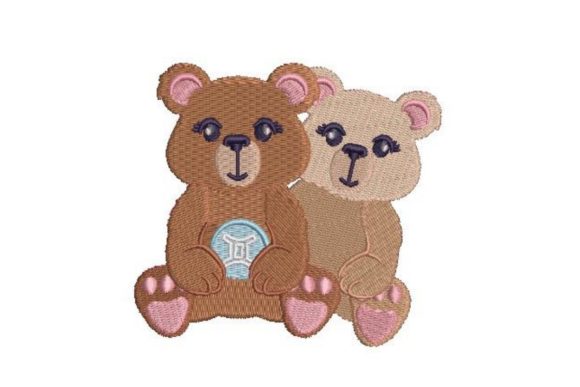
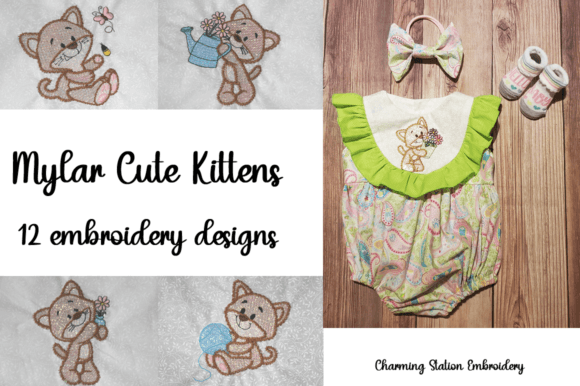
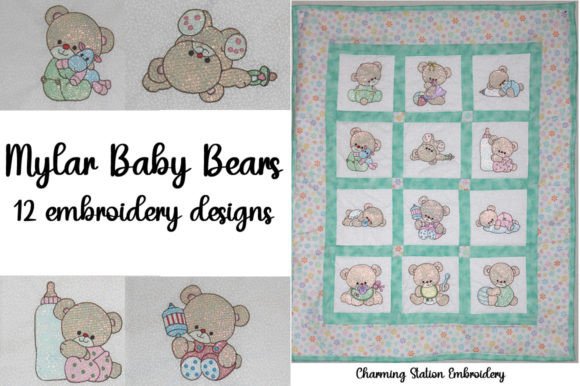
This set includes 12 charming little teddy bear designs optimized for use with Mylar. Since there are 12 designs, they would make a terrific baby quilt. These would also be adorable individually on a variety of products. As someone who has judged hundreds of booth displays, I can tell you that having a cohesive theme like this is crucial for attracting attention. Let me walk you through my professional review of Mylar Baby Bears as a potential bestseller for your next event or Etsy shop.
First Impressions: The Mood of the Design
When you look at Mylar Baby Bears, the immediate feeling is one of softness mixed with a modern edge. The mention of "Mylar" suggests a metallic sheen or a reflective quality that elevates the standard cute teddy bear motif into something more decorative and premium. This isn't just rustic farmhouse; it feels festive and eye-catching. For a craft fair seller, this distinction matters because customers scan tables quickly. A design that catches the light stands out against matte fabrics.
The set offers versatility. While the 12 designs allow for a massive baby quilt project, the individual bears are perfect for small accents. They feel approachable and friendly, making them ideal for gifts, nursery items, or even fun accessories for adults who love whimsical touches. The design assets here are strong enough to carry a brand identity without being overwhelming.
Where Mylar Baby Bears Shines on Products
I have been thinking about exactly where this machine embroidery design would perform best in a real-world selling scenario. Here is how I see Mylar Baby Bears translating across different handmade product categories:
- Tote Bag Design: Imagine a sturdy canvas tote bag featuring a single bear from the set. The metallic finish of the Mylar thread would pop against neutral canvas, creating a high-value accessory that shoppers will want to grab immediately.
- Apron Embroidery: For kitchen-focused vendors, placing these bears on a linen apron adds a touch of personality. It transforms a utilitarian item into a giftable piece that feels custom-made.
- Tea Towel Embroidery: Tea towels are a staple at craft fairs. Using Mylar Baby Bears on a white or cream towel creates a classic look that appeals to home bakers and gift buyers alike.
- Embroidered Patch: If you cut these designs out and add backing, they become adorable patches. You could sell them as standalone items or apply them to denim jackets and beanies.
- Fabric Pouches: Small drawstring bags featuring these bears make excellent packaging for soaps, jewelry, or candies. It adds a layer of care and detail that customers appreciate.
- Pillow Covers: With 12 designs available, you could create a collection of coordinating throw pillows. This is a higher-ticket item that showcases the full range of the design set.
- Caps and Market Bags: On curved surfaces like caps, a smaller version of the bear works well as a focal point. For market bags, a larger arrangement tells a story.
Practical Selling and Production Insights
From a business perspective, Mylar Baby Bears checks several boxes for efficiency. The fact that there are 12 distinct designs means you don't need to produce identical items repeatedly. You can create a "mystery box" or a "design of the week" strategy to keep your inventory fresh. Furthermore, the design is likely easy to understand at a glance, which is critical when photographing products for online listings or printable mockups.
For the Etsy seller or digital embroidery file creator, the repeatability of these bears allows for batch production. You can stitch multiple items in a row, reducing setup time and increasing profit margins. The design feels repeatable without becoming monotonous, which helps maintain brand consistency across your entire shop.
However, not every product is a match. Dense stitch areas might require careful planning. If you attempt to embroider this on a thick fabric or a textured towel, the clarity might suffer. Similarly, tiny details within the bear faces could get lost if you try to scale the design down too much for a small patch or a keychain. Always test the design on scrap fabric before committing to your final product.
Visual Appeal and Customer Attention
In a crowded booth, visual appeal is everything. The unique texture of Mylar thread adds depth that standard polyester threads lack. This affects customer attention by drawing the eye to specific areas of the product. When a buyer sees the shimmer of the bear on a tea towel, they are more likely to pick it up and inspect the finished product.
This tactile and visual interest directly impacts product value. Customers perceive items with specialty threads as more expensive and higher quality. It elevates a simple handmade product into a boutique item. For the creative entrepreneur, this means you can price your goods higher while still offering perceived value. The design supports a narrative of care and craftsmanship, which drives buyer engagement.
Essential Designer Notes for Success
Before you start mass-producing items with Mylar Baby Bears, there are technical steps you must take to ensure your booth samples look professional. First, check the thread colors carefully. Metallic threads can sometimes break or tangle if not used correctly, so adjust your tension settings accordingly.
You must also confirm the hoop size required for each design. If the design is large, you may need a multi-hoop technique, which increases production time. Review the spacing to ensure the bears sit well on your chosen fabric texture. Using the right stabilizer is non-negotiable; heavy-duty stabilizers are often needed for items like tote bags to prevent puckering.
Create at least one real mockup before listing the item. Digital embroidery files can look different on screen than they do in reality. Compare fabric colors under natural light to see how the Mylar reflects. Finally, confirm commercial licensing terms. Just because you bought the file does not automatically mean you can sell the finished product. Ensure you have the rights to sell items made with this design.
If you are unsure about exact stitch counts or file formats, reach out to the creator or check the documentation. These details are vital for smooth production. By taking the time to prepare properly, you ensure that your Mylar Baby Bears projects stand out as polished, professional pieces that customers will love.
Final Thoughts for the Booth
Ultimately, Mylar Baby Bears is a versatile and visually striking addition to any crafter's arsenal. Whether you are building a line of baby gifts, expanding your kitchen textile offerings, or looking for a unique accent for apparel, this design set offers significant potential. It balances charm with a modern twist that fits the current market demand for unique, handmade goods.
By understanding the strengths and limitations of the design, you can maximize its impact. Test thoroughly, plan your layout, and let the shimmer of the Mylar thread do the work of catching those eyes. With the right execution, this set could be the star attraction at your next craft fair, turning casual browsers into loyal customers for your small shop product line.